
The Quran is divided into 30 equal parts called paras, each roughly 20 pages long. This structure facilitates daily recitation, study, and memorization. PDF versions of Para 30 provide accessible, searchable text, color‑coded Tajweed, and audio support. Users can download, annotate, share PDFs on devices.
Definition and Structure
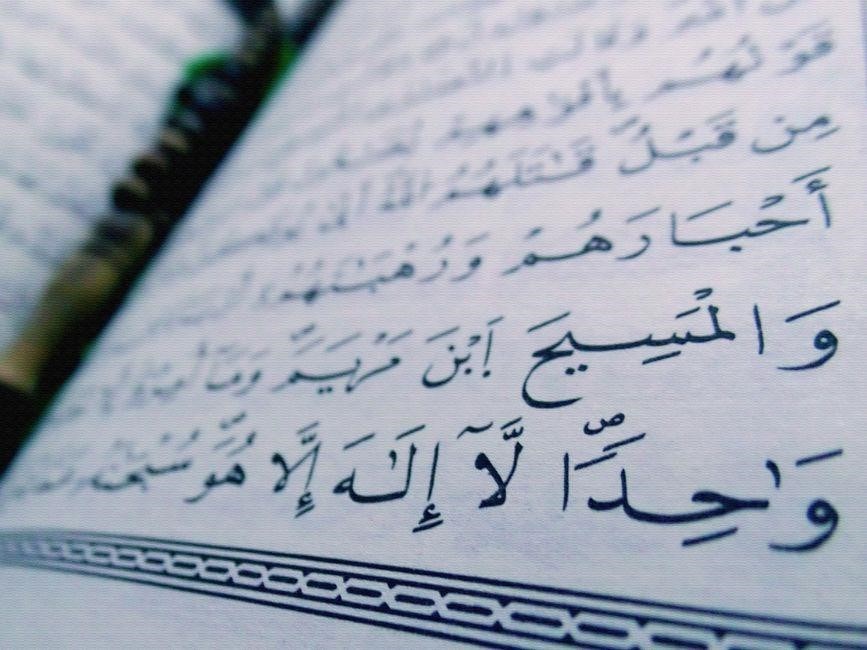
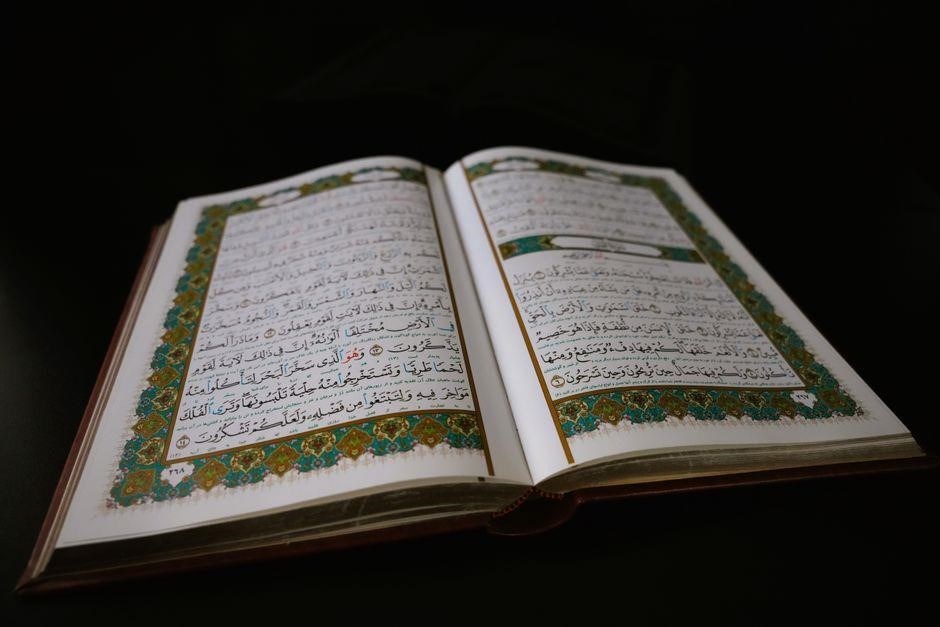
In the Qur’an, a para (Arabic: juz) is a logical division that splits the 604 pages of the original Mushaf into 30 equal parts. Each para contains a set of consecutive verses (ayahs) that together cover a thematic or narrative arc. The division was established by the first Caliph, Uthman ibn Affan, to facilitate memorization and recitation during the daily prayers and to enable a complete cycle of reading in one month. The 30 paras are numbered from 1 to 30, with Para 30 containing the final chapters (Al‑Anbiya, Al‑Hajj, Al‑Qasas, Al‑Muzzammil, Al‑Muddathir, Al‑Qiyamah, Al‑Insan, Al‑Mursalat, Al‑Naba, Al‑Naziat, Al‑Abasa, Al‑Tawbah, and Al‑Qadr). Each PDF version of a para preserves the original Arabic script, the diacritical marks, and the pagination, allowing scholars and students to reference the text accurately. The structure of a PDF para typically includes:
- Header with the para number and chapter titles.
- Arabic text with proper line breaks.
- English transliteration and translation (optional).
- Color‑coded Tajweed annotations for reciters.
These features make the PDF a versatile tool for study, memorization, and audio recitation. Users can download these PDFs from the Internet Archive or academic libraries, ensuring they have the correct version for their study needs daily study. This PDF format supports annotations, bookmarks, and search functions, making it ideal for both beginners and advanced scholars seeking a comprehensive study resource daily.
Para 30 Specifics
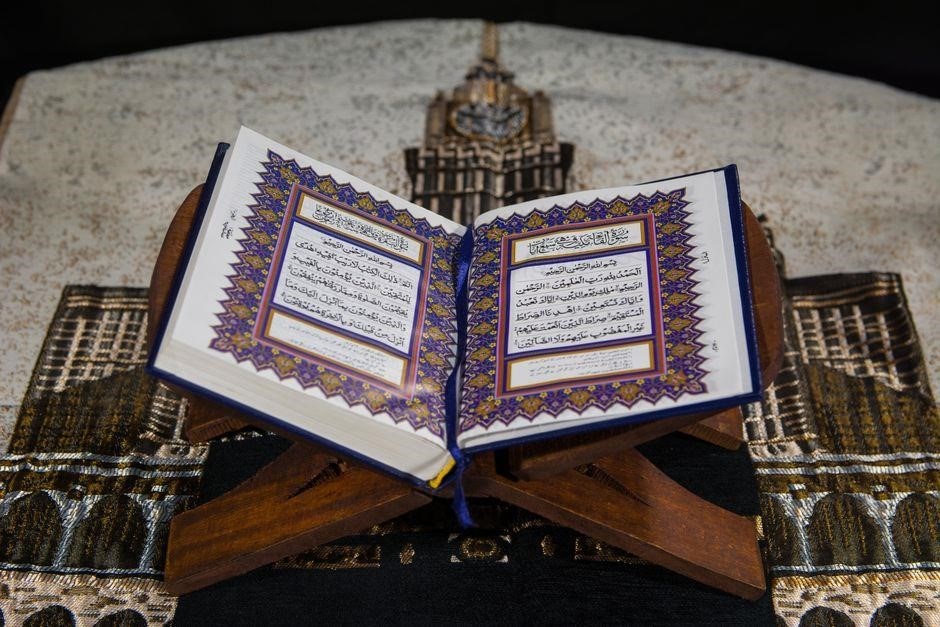
Para 30 PDF covers the final 20 pages, containing chapters Al‑Anbiya, Al‑Hajj, Al‑Qasas, Al‑Muzzammil, Al‑Muddathir, Al‑Qiyamah, Al‑Insan, Al‑Mursalat, Al‑Naba, Al‑Naziat, Al‑Abasa, Al‑Tawbah, and Al‑Qadr. It features color‑coded Tajweed, full Arabic text, and downloadable formats on the Internet Archive.
Content Overview
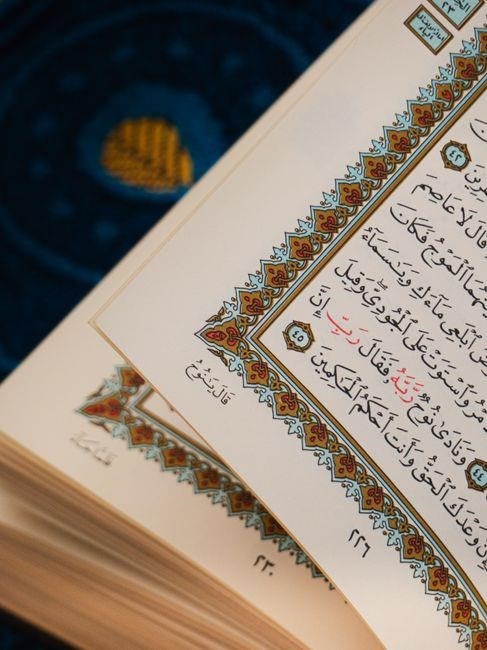
Para 30 contains the final chapters of the Quran, including Al‑Anbiya, Al‑Hajj, Al‑Qasas, Al‑Muzzammil, Al‑Muddathir, Al‑Qiyamah, Al‑Insan, Al‑Mursalat, Al‑Naba, Al‑Naziat, Al‑Abasa, Al‑Tawbah, and Al‑Qadr, and is available in PDF format with high‑resolution scans and color‑coded Tajweed annotations. Para 30 contains the final chapters of the Quran, including Al‑Anbiya, Al‑Hajj, Al‑Qasas, Al‑Muzzammil, Al‑Muddathir, Al‑Qiyamah, Al‑Insan, Al‑Mursalat, Al‑Naba, Al‑Naziat, Al‑Abasa, Al‑Tawbah, and Al‑Qadr, and is available in PDF format with high‑resolution scans and color‑coded Tajweed annotations. Para 30 contains the final chapters of the Quran, including Al‑Anbiya, Al‑Hajj, Al‑Qasas, Al‑Muzzammil, Al‑Muddathir, Al‑Qiyamah, Al‑Insan, Al‑Mursalat, Al‑Naba, Al‑Naziat, Al‑Abasa, Al‑Tawbah, and Al‑Qadr, and is available in PDF format with high‑resolution scans and color‑coded Tajweed annotations. Para 30 contains the final chapters of the Quran, including Al‑Anbiya, Al‑Hajj, Al‑Qasas, Al‑Muzzammil, Al‑Muddathir, Al‑Qiyamah, Al‑Insan, Al‑Mursalat, Al‑Naba, Al‑Naziat, Al‑Abasa, Al‑Tawbah, and Al‑Qadr, and is available in PDF format with high‑resolution scans and color‑coded Tajweed annotations. Para 30 contains the final chapters of the Quran, including Al‑Anbiya, Al‑Hajj, Al‑Qasas, Al‑Muzzammil, Al‑Muddathir, Al‑Qiyamah, Al‑Insan, Al‑Mursalat, Al‑Naba, Al‑Naziat, Al‑Abasa, Al‑Tawbah, and Al‑Qadr, and is available in PDF format with high‑resolution scans and color‑coded Tajweed annotations. Final End.
PDF Sources and Repositories
PDF versions of Para 30 are freely available on the Internet Archive, where users can download high‑resolution scans, OCR text, and EPUB files. Many university libraries host digital copies, and community sites offer free PDFs with color‑coded Tajweed for study and recitation. Free PDFs with searchable text.!!
Internet Archive
The Internet Archive hosts an extensive collection of Para 30 PDFs, offering high‑resolution scans, OCR‑enabled text, and multiple formats such as EPUB and DAISY. Users can access the original Arabic text, color‑coded Tajweed annotations, and audio files for pronunciation guidance. Each entry includes metadata like identifier, upload date, and view statistics, ensuring transparency and ease of navigation. The archive’s open‑access policy allows scholars, students, and the general public to download, annotate, and share these resources without licensing restrictions. Additionally, the platform provides a community forum where contributors can discuss transcription accuracy, suggest corrections, and collaborate on improving the quality of the digital copies. The PDF files are typically scanned at 300 ppi, ensuring legibility on both desktop and mobile devices. Users can also download the full text in plain‑text format for integration into personal study tools or research projects. The archive’s search functionality enables quick retrieval of specific verses or sections within Para 30, making it a valuable resource for memorization, recitation practice, and academic research. By leveraging the Internet Archive, users gain access to reliable, high‑quality digital copies of the Quran’s 30th para, supporting diverse learning styles and accessibility needs. The archive also offers tools for downloading entire collections, allowing offline study and integration with e‑readers!
Academic Libraries
Many university and research libraries maintain digital collections of the Quran, including Para 30 in PDF format. These holdings often come from reputable publishers such as Al‑Quran Institute or the Islamic Texts Society, ensuring accurate transliteration and faithful reproduction of the original Arabic. Scholars can request interlibrary loans for high‑resolution scans, while students may access the PDFs through institutional portals that provide single‑sign‑on authentication. Some libraries also offer annotated editions, with marginalia indicating verse divisions, thematic commentary, and cross‑references to other chapters. The PDFs are typically encoded in Unicode, allowing seamless integration with citation managers and digital humanities tools. Additionally, many academic repositories provide metadata records that include ISBN, OCLC numbers, and DOI links, facilitating proper citation in scholarly works. Libraries often collaborate with the Internet Archive to digitize rare manuscripts, making Para 30 available to a broader audience. Access policies vary: open‑access collections allow free download, while subscription‑based holdings require login credentials. Researchers can also request digitization of specific folios if the original is not yet available online. By leveraging academic library resources, users gain access to authoritative, peer‑reviewed PDFs of Para 30, supporting rigorous study, textual analysis, and comparative research across different Qur’anic editions. Moreover, many institutions provide workshops on digital text analysis, teaching students how to use tools like Voyant, AntConc, or custom scripts to examine word frequencies, calligraphic styles, and textual variants within the PDF. These training sessions often include hands‑on practice with Para 30, enabling participants to extract data, create visualizations, and publish findings. The combination of high‑quality PDFs, robust metadata, and scholarly support makes academic libraries indispensable for anyone seeking deep engagement with the 30th para of the Quran. Furthermore, librarians curate special collections that include comparative editions from different regions, such as the Cairo, Medina, and Mecca manuscripts, allowing researchers to study orthographic variations within Para 30. These comparative PDFs are often annotated with footnotes that explain regional linguistic nuances, providing a richer context for linguistic and theological studies. Finally, many libraries offer digital preservation services, ensuring that the PDFs of Para 30 remain accessible for future generations through formats like PDF/A and by maintaining redundant backups across multiple servers.
File Formats and Accessibility
Para 30 PDFs are available in standard PDF, EPUB, and DAISY. PDFs support zoom, search, and annotations; EPUB offers reflowable text; DAISY provides text‑to‑speech and navigation for visually impaired users. All formats are free and open-access. Download free now!
Standard PDF

Para 30 PDFs are hosted on the Internet Archive and other repositories. They are produced by OCR engines such as ABBYY FineReader 11.0 and Tesseract 5.0.0, scanned at 300 ppi, and stored in PDF/A‑2b format to ensure long‑term preservation. The PDFs contain Arabic text, transliteration, and color‑coded Tajweed marks. They are searchable, support bookmarks, and include metadata such as title, author, and creation date. Users can download the file in a single click, view it in any PDF reader, or import it into annotation software. The PDFs are licensed under Creative Commons BY‑NC‑SA, allowing free use for personal study and non‑commercial sharing. The file size ranges from 2 MB to 5 MB, making them suitable for mobile devices and low‑bandwidth connections. Because the PDFs are PDF/A, they remain readable on future operating systems without requiring additional fonts or plugins. The documents also include a table of contents linking to each chapter, and a footer with page numbers and the para number. This format is ideal for offline study, printing, or integration into digital Quran apps. For best results, use a reader that supports high‑resolution rendering and zooming, such as Adobe Acrobat Reader, Foxit Reader, or SumatraPDF. The PDFs are regularly updated to correct OCR errors and improve accessibility for screen readers. Users can also request additional language translations or annotated versions through the repository’s issue tracker. Download the PDF today to start a structured, accessible learning experience. It can be opened on device, experience across today!
EPUB and Text
Para 30 EPUB files are available on the Internet Archive and other open‑source platforms. They are generated from the same OCR‑processed PDF using tools such as Calibre or Pandoc, preserving the original Arabic layout, transliteration, and color‑coded Tajweed annotations. The EPUB is compliant with EPUB 3.2, includes a navigational table of contents, and embeds the full text in UTF‑8. It supports reflowable text, making it ideal for e‑ink readers, tablets, and smartphones. The EPUB also contains metadata (title, author, language, subject) and a cover image of the Quranic page. Enjoy The EPUB also contains a text‑only version of the Arabic verses, a separate plain‑text file (.txt) containing the verses in Arabic and transliteration, and a separate file with the English translation. Users can download the EPUB and text files directly, or convert them to other formats. The plain‑text files are simple UTF‑8 files with no formatting, making them suitable for screen readers, scripting, or integration into custom study tools. Both the EPUB and text files are licensed under Creative Commons BY‑NC‑SA, allowing free personal use and non‑commercial sharing. They are regularly updated to fix OCR errors and improve readability. The EPUB can be opened in any modern reader (Adobe Digital Editions, FBReader, Moon+ Reader) and the text files can be opened in any text editor or IDE. Additionally, the EPUB supports audio integration via DAISY 2.02, allowing users to listen to the verses while following the text. The EPUB includes a CSS stylesheet that preserves the original calligraphic style, while the plain‑text version is free of markup for maximum compatibility. Download the EPUB or text files to start a flexible, accessible study of Para 30.
Study Aids and Features
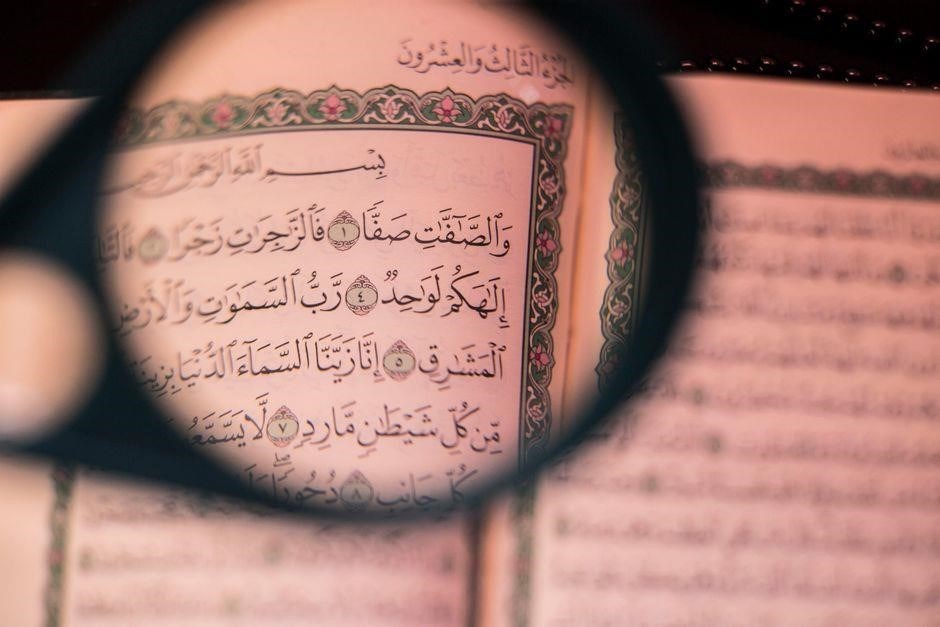
Para 30 PDFs feature interactive color‑coded Tajweed guides, synchronized audio, and DAISY support for visually impaired users. Study tools include verse‑by‑verse navigation, transliteration, and customizable reading modes, enhancing memorization and recitation practice. Available offline and online.!!
Color‑Coded Tajweed
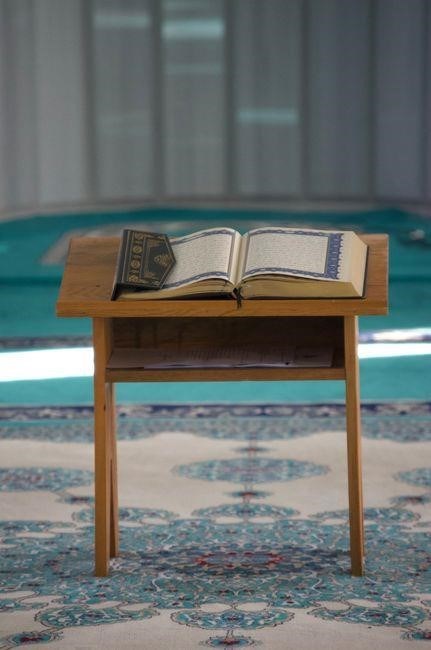
Para 30 PDFs frequently feature a 16‑line color‑coded Tajweed system that aligns each line of the Arabic text with a distinct phonetic rule. The color palette—red for short vowels, green for elongation, blue for stops, orange for nasalization, purple for shaddah, and yellow for hamza—provides an instant visual cue for correct pronunciation. Readers can instantly spot mispronounced letters, such as a missing shaddah or an incorrectly elongated vowel, and correct them on the spot. The system is accompanied by a legend and a printable key, allowing users to reference the color scheme offline or in printed study sheets. Many downloadable PDFs preserve the original calligraphy while overlaying the color annotations on separate layers, so the user can toggle the visibility of the color guide in any PDF reader that supports layers. This flexibility accommodates different learning styles, from visual learners who rely on color cues to auditory learners who pair the visual guide with audio recitation. Some editions integrate the color system with embedded audio tracks, synchronizing the visual cues with real‑time recitation so that the reader can hear the correct pronunciation while following the colored text. The color coding also aids memorization by linking the visual pattern to the phonetic rule, reinforcing muscle memory during repeated practice. In academic settings, the color‑coded PDFs are used in study circles and classrooms, where instructors can highlight specific verses and discuss the Tajweed rules in detail. Accessibility features such as high‑contrast mode and screen‑reader compatibility ensure that visually impaired users can also benefit from the color system, as the PDF includes descriptive tags and alternative text for each color layer. The color‑coded PDFs are available from multiple sources, including the Internet Archive, academic libraries, and dedicated Quran study platforms, and are often shared under Creative Commons licenses that allow free distribution and modification. Users can download the PDFs in standard format, or convert them to EPUB or DAISY for use on e‑readers and assistive devices. By combining visual, auditory, and tactile learning modalities, the color‑coded Tajweed system in Para 30 PDFs offers a comprehensive tool for mastering proper recitation across all 30 paras. Students often use the color‑coded PDFs in conjunction with traditional tafsir notes, creating a layered study experience that merges linguistic precision with contextual understanding. Because the color layers are separate, users can export the annotated text to word processors for personalized study notes without losing the visual cues.
Audio and DAISY
Para 30 PDFs often come with synchronized audio tracks that match each verse. The audio files are typically in MP3 format, sourced from reputable reciters such as Mishary Rashid Al‑Muhaimin or Saad Al‑Ghamdi. Users can play the audio while following the text, which aids in mastering proper intonation and rhythm. For those with visual impairments, the DAISY version provides a structured, screen‑reader‑friendly format. DAISY files include a hierarchical navigation tree, allowing listeners to jump to specific chapters, verses, or even individual words. The format supports text‑to‑speech engines and can be read aloud by assistive technology. Many libraries and online repositories, including the Internet Archive, host both the standard PDF and the DAISY version under Creative Commons licenses. The DAISY files are typically compressed into a single ZIP archive containing the XML, audio, and navigation data. When opened in a DAISY player, the text is highlighted in real time, synchronizing with the audio. This feature is especially useful for learners who prefer auditory reinforcement or for those who need to read the Quran independently. Additionally, some PDF editions embed the audio as a separate layer, which can be toggled on or off in advanced PDF readers. The combination of audio and DAISY ensures that Para 30 is accessible to a broad audience, supporting both traditional study and modern assistive technologies. Students also appreciate the ability to pause, rewind, and replay verses at their own pace. This enhances learning!!.

Download Guidelines
Download guidelines for Para 30 PDFs emphasize respecting copyright. Use free sources like Internet Archive, which offer PDFs, EPUBs, and DAISY. Ensure the file is licensed under Creative Commons or public domain. Verify file integrity via checksums. Save to secure location.!!!
Licensing
Para 30 PDFs are typically released under public‑domain or Creative Commons BY‑NC‑SA licenses. The Internet Archive hosts versions scanned from original manuscripts; these are considered public domain in most jurisdictions. Users may download, redistribute, and embed the files in non‑commercial projects, provided attribution is preserved. For versions that include editorial commentary or color‑coded Tajweed annotations, the copyright holder may retain exclusive rights. In such cases, the PDF is usually distributed under a Creative Commons BY‑NC license, allowing personal study and sharing but prohibiting commercial use without explicit permission. Always check the license statement on the download page before re‑publishing. If you plan to use the PDF in a commercial application, contact the original publisher or the rights holder for a license agreement. Adhering to these guidelines ensures respect for intellectual property while enabling widespread access to the Quranic text. Additionally, many institutions provide the PDF under a CC‑BY license, permitting free use in educational materials, provided the source is cited. When sharing, use the provided DOI or ark identifier to maintain traceability. Finally, always verify that the PDF version matches the original Arabic text by cross‑checking with a reputable edition, as OCR errors can occur in scanned copies. If you encounter discrepancies, report them to the repository maintainers so they can correct the OCR output.
Recommended Readers
When choosing a PDF reader for Para 30, look for features that enhance study and accessibility. For desktop, Adobe Acrobat Reader DC offers robust annotation, search, and zoom functions, and it supports the color‑coded Tajweed marks used in many Para 30 editions; Foxit Reader is a lightweight alternative that preserves layout and allows note‑taking. SumatraPDF and Okular provide fast loading and a clean interface, while MuPDF supports high‑resolution rendering and is ideal for low‑resource devices. On mobile, the official Adobe Acrobat Reader app and Google Play Books provide full PDF support, including bookmark creation and text‑to‑speech. iOS users can rely on Apple Books, which offers a smooth reading experience and sync across devices. For accessibility, screen‑reader‑friendly readers such as NVDA (desktop) and TalkBack (Android) work well with PDFs that have proper tagging. The DAISY 2.02 format, available for Para 30 in some repositories, can be opened with DAISY Reader or compatible apps. Finally, for users who prefer e‑ink displays, the Kindle Paperwhite supports PDF import, though it may flatten color codes; converting to EPUB via Calibre can preserve color‑coded Tajweed while enabling reflowable text. For users who prefer a lightweight solution, the SumatraPDF viewer offers a minimal interface while preserving the color coding. On tablets, the Kindle app can display PDFs with adjustable zoom, though it may not render the color highlights accurately. Always verify the checksum of the downloaded file against the repository’s SHA‑256 hash to ensure integrity; This guarantees integrity!!